
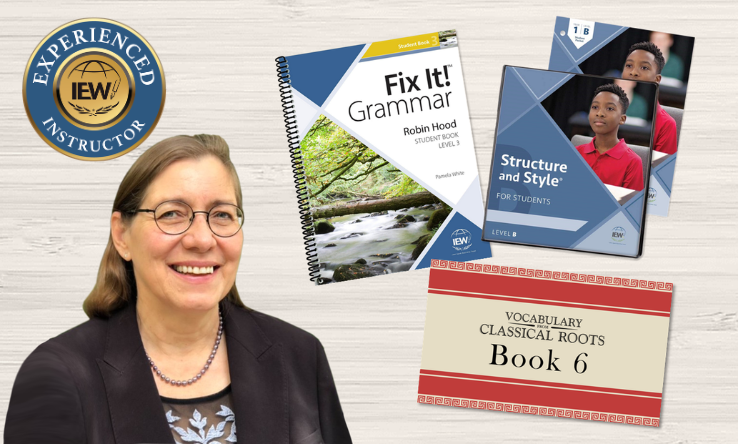
IEW Structure and Style for Students Level B Year 1 introduces middle school students to more advanced writing skills through the Institute for Excellence in Writing's proven methodology. This year's theme explores unusual animals, exotic places in Oceania, and the environmental dangers that plastics pose to these pristine environments. Designed for students entering or continuing middle school, this course builds upon foundational writing abilities while developing stronger analytical and compositional skills through IEW's systematic approach. This class includes gentle weekly test preparation with practice in analogies, vocabulary expansion, and critical thinking exercises that reinforces the overall writing process.
Reading comprehension is practiced weekly for poetry, fiction, and factual texts.
- Teacher: Alta Wehmeyer
Each class follows a structured format that builds multiple literacy skills simultaneously. Students begin with journal writing and poetry work, then explore Latin and Greek root vocabulary and grammar fundamentals.
The heart of each lesson centers on carefully selected source texts. After reading aloud and discussing unfamiliar vocabulary, students create keyword outlines and practice retelling before drafting their own writing. Weekly standardized test preparation includes analogies, vocabulary expansion, and critical thinking exercises. Any work not completed in class becomes targeted homework.
IEW's methodology introduces one new concept at a time, allowing students to achieve mastery before advancing. This systematic approach ensures solid skill development and builds confidence through repeated practice of each step.
Reading comprehension is practiced weekly for poetry, fiction, and factual texts.
Writing assignments begin during class with guided instruction, so students leave with clear expectations. Budget 1.5-2 hours weekly for homework completion, including writing, vocabulary, and grammar activities.
Students complete two vocabulary textbooks annually, with lessons reviewed and practiced for mastery. FixIt Grammar provides four days of weekly practice with varying sentence complexity. Larger writing assignments extend over multiple weeks as needed, emphasizing skill mastery and quality writing over speed.
Stationary
Composition Book (stitched not spiral bound)
2" Binder
Plastic Tabs
Reinforced loose leaf-letter sized paper
A highlighter and an assortment of gel pens.
Books
Phonics with Explode the Code:
The appropriate books will be identified by a placement test.
Placement tests are available under Office Hours.
Daily Reading Comprehension:
21st Century Daily Comprehension (all books September to May)
Writing:
Vocabulary from Classical Roots Book 6
Vocabulary from Classical Roots Book A
FixIt! Grammar: Robin Hood (Student/Teacher Bundle)
IEW Structure and Style Level B Year 1
Jacob's Ladder Reading Comprehension workbooks are dispatched to the student's registered address during the second month of the course.

Student learn to write for different subjects. Alaska, its people, and its traditions is a rich canvas to springboard straight into history and how Alaska became a US territory. The original people that live here present a look at sustainable practices and respect for the Earth. Fauna and flora are well-adapted for thriving in extreme cold and are investigated. Weekly activities include reading, writing, mapping, labeling dog anatomy, and a critical problem solving. Interesting topics such as the Arctic Olympics, dog sledding, auroras, glaciers, volcanoes, and earthquakes open doors to new adventures. When living in polar lattitudes, logistics, planning, and distances for transporting anything is a major undertaking. How to gain skills to survive also form part of the course content.
- Teacher: Alta Wehmeyer
Weekly activities include mapping, critical thinking, mammal/dog anatomy, musher research, and reading keep momentum and variety. Classes focus on a single writing topic that is started during class. The deliverable can be any of the following: a report, narrative essay, podcast, and visual or graphic storytelling. This class includes Latin and Greek root word study, grammar, and poetry appreciation.
Students must budget 2 - 3 hours in addition to the class time for completion of the assignments. Some lessons require independent research. Guidance for sources and strategies are provided.
Students from grades 7 -9 are welcome here. Several assignments are collated into larger projects during the second half of the course.
Stationary
Composition Book (stitched not spiral bound)
2" Binder
Plastic Tabs
Reinforced loose leaf-letter sized paper
A highlighter and an assortment of gel pens.
Books
Vocabulary:
Vocabulary from Classical Roots Book 6
Vocabulary from Classical Roots Book A
Vocabulary from Classical Roots Books B
Grammar:
FixIt! Grammar: Mowgli and Shere Khan (Student/Teacher Bundle)
Readers:
Togo and Leonard by Pam Flowers
What the Elders Have Taught Us: Alaska Native Ways by Roy Corral, et al.
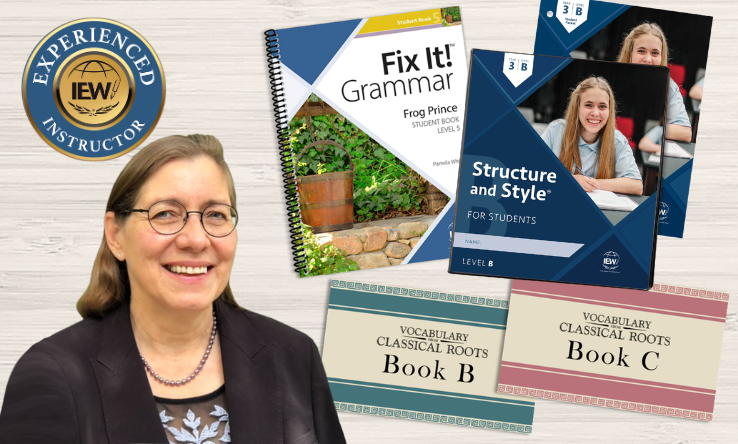
IEW Structure and Style for Students Level B Year 3 completes the middle school writing program from the Institute for Excellence in Writing. This year's captivating theme explores the mysterious and unexplained, while students also study poetry theory and structures through additional prescribed texts. Designed as the final year for middle school students preparing for high school, this course also welcomes older students who want to strengthen their skills and confidence before advancing to Level C. Integrated standardized test practice develops the academic and critical thinking skills essential for writing success, though comprehensive test preparation is available as a separate course.
Reading comprehension is practiced weekly for poetry, fiction, and factual texts.
- Teacher: Alta Wehmeyer
Each class follows a structured format that builds multiple literacy skills simultaneously. Students begin with journal writing and poetry work, then explore Latin and Greek root vocabulary and grammar fundamentals.
The heart of each lesson centers on carefully selected source texts featuring mysterious and unexplained phenomena. After reading aloud and discussing unfamiliar vocabulary, students create keyword outlines and practice retelling before drafting their own writing. Any work not completed in class becomes targeted homework.
IEW's methodology introduces one new concept at a time, requiring mastery before advancing to the next skill. This systematic approach ensures solid development and builds confidence through thorough practice of each step.
Reading comprehension is practiced weekly for poetry, fiction, and factual texts.
Writing assignments begin in class with guided instruction, so students leave with clear expectations. Budget 2-3 hours weekly for homework completion, including writing, vocabulary, grammar, and poetry study activities.
Students complete two vocabulary textbooks annually, with lessons reviewed and practiced for mastery. FixIt Grammar provides four days of weekly practice with varying sentence complexity. Larger writing assignments extend over multiple weeks as needed, emphasizing skill mastery and quality writing over speed.
Stationary
Composition Book (stitched not spiral bound)
2" Binder
Plastic Tabs
Reinforced loose leaf-letter sized paper
A highlighter and an assortment of gel pens.
Books
Daily Reading Comprehension:
21st Century Daily Comprehension (all books September to May)
Vocabulary:
Buy the next two levels that your student needs to complete only.
Vocabulary from Classical Roots Book B
Vocabulary from Classical Roots Book C
Vocabulary from Classical Roots Book D
Vocabulary from Classical Roots Book E
Highly Recommended Books for Self-Study:
The Complete Vocabulary Builder Workbook by R. B. Skinner
The Vocabulary Builder Workbook of Verbs by R. B. Skinner
The Vocabulary Builder Workbook of Adjectives by R. B. Skinner
Grammar:
FixIt! Grammar: Mowgli and Shere Khan (Student/Teacher Bundle)
FixIt! Grammar: Frog Prince (Student/Teacher Bundle)
General Reference:
Trivium: The Classical Liberal Arts of Grammar, Logic, & Rhetoric
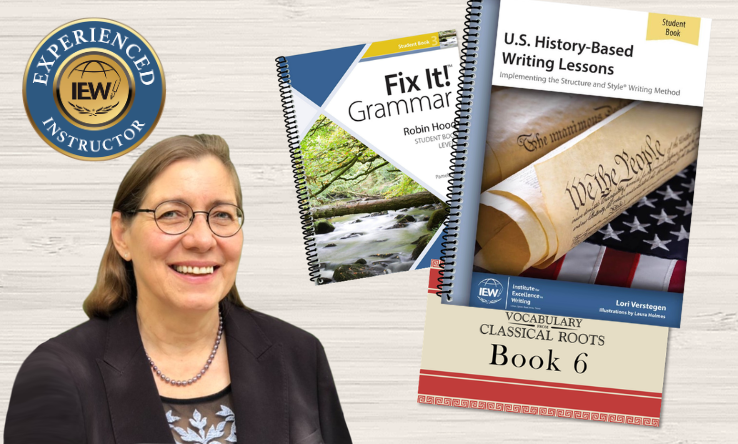
Writing Through US History Students apply and deepen their writing skills through rich source texts drawn from American History. Each lesson integrates IEW's structural units with curated historical content. It is aligned to the Classical Conversations scope and sequence, making this course a natural and powerful complement to your co-op community day. Written feedback is provided for every assignment.
- Teacher: Alta Wehmeyer
Each class integrates multiple literacy skills around captivating US History themes. Students receive expert instruction in vocabulary, grammar, writing, and reading comprehension, following IEW's systematic methodology
All students have access to daily Office Hours (Monday through Thursday) where they receive teacher assistance. This additional support ensures every student succeeds and builds confidence in their writing abilities.
US History brings events to life while students learn to craft keyword outlines, develop strong paragraphs, and create polished essays.
Writing assignments begin in class with guided instruction, ensuring students understand expectations before working independently. Budget 2-3 hours weekly for homework completion by the end of the course. Earlier lessons require less time while students build stamina and skills. Paired reading and remedial assignments are additional as skills vary among students.
Designed for middle school students and advanced elementary students who are ready for more challenging work. The engaging US Historyl theme helps students connect with content while developing sophisticated writing skills through IEW's proven methodology.
From Thanksgiving up to the first class in January, students study asynchronously. The weekly deliverable is due by the regular cut-off date and feedback is porvided as in every other regular week.
Stationary
Composition Book (stitched not spiral bound)
2" Binder
Plastic Tabs
Reinforced loose leaf-letter sized paper
A highlighter and an assortment of gel pens.
Books
Phonics with Explode the Code:
The appropriate books will be identified by a placement test.
Placement Test is available in Office Hours.
Daily Reading Comprehension:
Mark Twain American History Books by George R. Lee, et.al.
Mark Twain US History Workbook by George R. Lee, et.al.
Vocabulary:
Vocabulary from Classical Roots Book 6
Vocabulary from Classical Roots Book A
Grammar:
FixIt! Grammar: Robin Hood (Student/Teacher Bundle)
Writing:
IEW U.S. History-Based Writing Lessons
Jacob's Ladder Reading Comprehension workbooks are dispatched to the student's registered address during the second month of the course.
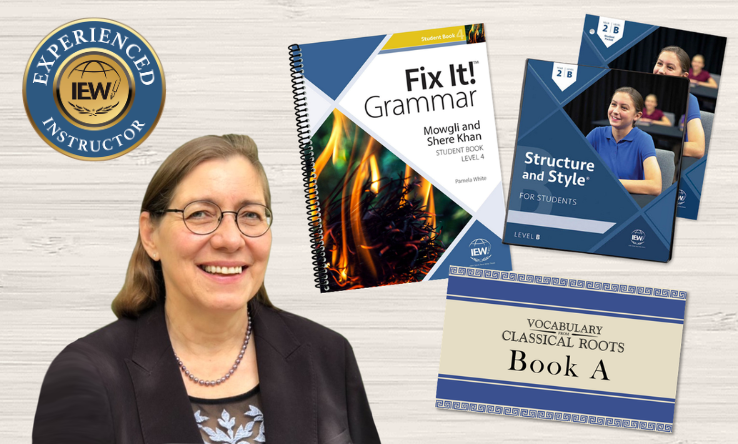
IEW Structure and Style for Students Level B Year 2 continues developing advanced writing skills through the Institute for Excellence in Writing's proven methodology. This year's eclectic theme spans fascinating topics including the mysterious Moai statues, space exploration, the history of printing, and American innovations like Western expansion. Designed for middle school students preparing for high school, this course also welcomes older students who want to build additional confidence before advancing to Level C. Integrated standardized test practice develops the academic and critical thinking skills essential for writing success, though comprehensive test preparation is available as a separate course.
Reading comprehension is practiced weekly for poetry, fiction, and factual texts.
- Teacher: Alta Wehmeyer
Each class follows a structured format that builds multiple literacy skills simultaneously. Students begin with journal writing and poetry work, then explore Latin and Greek root vocabulary and grammar fundamentals.
The heart of each lesson centers on carefully selected source texts covering the year's diverse themes. After reading aloud and discussing unfamiliar vocabulary, students create keyword outlines and practice retelling before drafting their own writing. Weekly standardized test practice reinforces critical thinking and analytical skills. Any work not completed in class becomes targeted homework.
IEW's methodology introduces one new concept at a time, allowing students to achieve mastery before advancing. This systematic approach ensures solid skill development and builds confidence through repeated practice of each step.
Reading comprehension is practiced weekly for poetry, fiction, and factual texts.
Writing assignments begin in class with guided instruction, so students leave with clear expectations. Budget 2-3 hours weekly for homework completion, including writing, vocabulary, grammar, and test preparation activities.
Students complete two vocabulary textbooks annually, with lessons reviewed and practiced for mastery. FixIt Grammar provides four days of weekly practice with varying sentence complexity. Larger writing assignments extend over multiple weeks as needed, emphasizing skill mastery and quality writing over speed.
Stationary
Composition Book (stitched not spiral bound)
2" Binder
Plastic Tabs
Reinforced loose leaf-letter sized paper
A highlighter and an assortment of gel pens.
Books
Phonics with Explode the Code:
The appropriate books will be identified by a placement test.
Daily Reading Comprehension:
21st Century Daily Comprehension (all books September to May)
Writing:
Vocabulary from Classical Roots Books B
Vocabulary from Classical Roots Books C
FixIt! Grammar: Mowgli and Shere Khan (Student/Teacher Bundle)
IEW Structure and Style Level B Year 2
Jacob's Ladder Reading Comprehension workbooks are dispatched to the student's registered address during the second month of the course.

Students who master paragraph construction. From clear topic sentences to effective transitions, students develop writing skills that boost their performance across all subjects. Whether crafting persuasive essays in English, lab reports in science, or research papers in history, students learn to choose the right paragraph structure for each task, setting themselves up for success in college and in their careers.
- Teacher: Alta Wehmeyer
Each session introduces a new paragraph structure through hands-on practice and real examples. Students analyze effective writing samples, then apply what they've learned through writing exercises and peer review. This collaborative approach helps students master different paragraph types while building confidence in their analytical and feedback skills. Root words applicable to the paragraph type and derivative word study are included.
Research, types of quotes for academic purposes, and bibliography entries are practiced weekly throughout the year as set out in the syllabus.
Expect 1-2 hours of research and preparing assignments weekly. Since individual paragraphs combine into essays later in the course, completing assignments on schedule and staying organized are essential for success.
In Class Practice:
This course serves students in grades 8-12 and college students seeking to reinforce core writing skills. The weekly is one paragraph type per lesson. During class students write a paragraph specific to the format and share it with everyone in the said class. This allows before embarking on the weekly prompt.
Weekly Assignment:
Research the topic for the prompt provided for the topic area assigned for that week. Three bibliography entries are required for every paragraph.
From Week 27, students integrate their multiple structures into cohesive essays.
Stationary
Composition Book (stitched not spiral bound)
2" Binder
Plastic Tabs
Reinforced loose leaf-letter sized paper
A highlighter and an assortment of gel pens.
Books
- A Writer's Guide to Powerful Paragraphs by Victor Pellegrino
- A Writer's Guide to Transitional Words and Expressions by Victor Pellegrino
- A Writer's Guide to using 8 Methods of Transitions by Victor Pellegrino
- FixIt! Grammar (the next or any level not yet done)
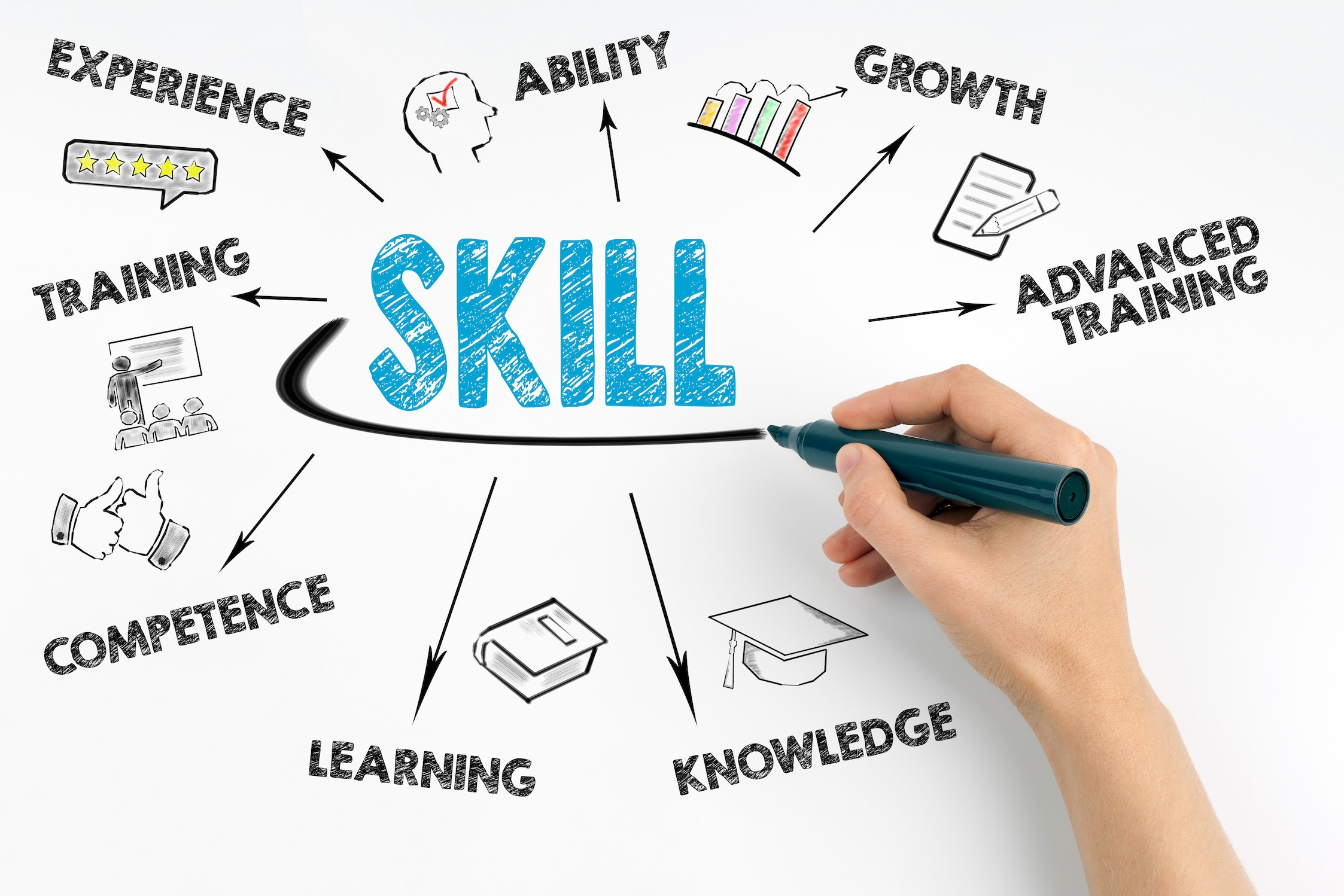
This six-week course provides a foundation for academic success. Students are often expected to perform well but rarely receive training in how to attain it. In this short course students are introduced to strategies that include a mindset adjustment, critical thinking, listening, and planning skills that are practiced during every lesson as a class project.
- Teacher: Alta Wehmeyer
Students are seldom taught to learn. Since a growth mindset plays a major role in achieving academic success, skill sets that contribute to the overall outcome are taught. Dispelling myths about how long it takes to learn a skill and become proficient in it as well as supporting techniques are covered as a practical in-class assignment.
Students have access to activities and projects that are started during class. Additional text relating to topics covered during class are available in the classroom.
Week 1: Brain Development and Practical Time Management
Week 2: Learning How to Learn and Metacognition
Week 3: Active Reading and Listening Techniques
Week 4: Memory Improvement
Week 5: Mastery: How to Attain It.
Week 6: Testing and Preparation Strategies
The class project packet is available for download and printing.
One composition book
Pens, pencil, color pencils, and highlighters
11" X 17" Sheet of paper